Follow Us x
O'Neal Dentistry
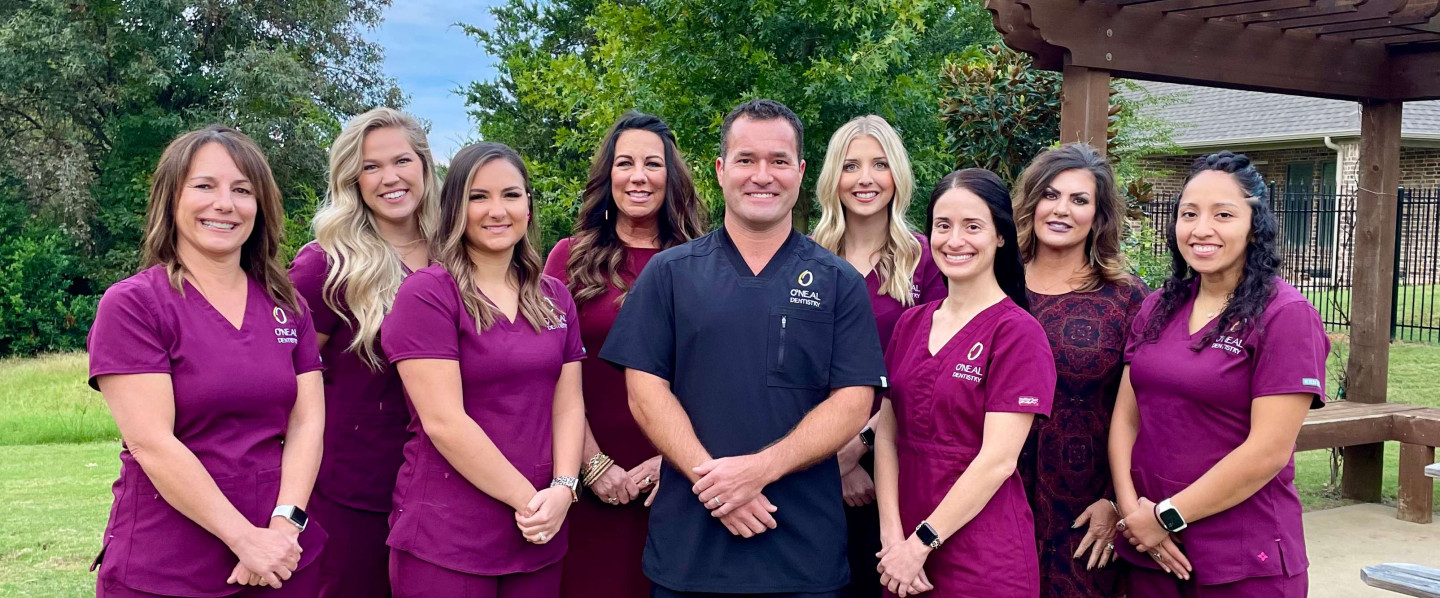
Dr. O'Neal and his extraordinary dental team are proud to provide exceptional cosmetic, general and restorative care in a professional and comfortable setting in Tyler, TX. We offer the highest quality dental care in a relaxing and safe environment with special attention paid to patient comfort.
Dr. O'Neal is a certified PALS Provider, which allows us to provide our patients with Level II moderate sedation. We take the time to get to know our patients and encourage them to openly discuss any and all desires or concerns.
Dr. O'Neal and his experienced team focus on educating their patients and the community about the various modern dental procedures we provide in Tyler, such as: CEREC Same Day Crowns, Clear Braces, Dental Implants, Dental Implant Restorations, Implant Overdentures, Porcelain Crown & Bridge, Teeth Whitening, Nightguards, and other high tech advances in today's dentistry. We stand behind every treatment we perform and we believe that when you choose us as your family dentist in Tyler, TX, we are entering into a long-term relationship built on mutual trust and shared respect. We want you to feel confident that when you choose Steven M. O'Neal Family and Cosmetic Dentistry, you're working with outstanding professionals who are qualified, experienced and caring.
We want all our patients to be informed decision makers and fully understand all possible options available. We encourage you to visit our website whenever you have concerns or questions about your teeth.
Please take a few moments to look through this site to get a better feel for Steven M. O'Neal Family and Cosmetic Dentistry's capabilities and services. We also invite you to email or call our Tyler family dentist office at any time to request an appointment or ask questions. Thank you.
CareCredit for dental procedures
We're pleased to accept the CareCredit credit card, North America's leading patient financing program. CareCredit is the credit card exclusively for healthcare services. CareCredit offers special financing on purchases of $200 or more for healthcare procedures not commonly covered by insurance, including dental treatments.
Plus, you can use your CareCredit card over and over for follow-up appointments.
Learn more by visiting www.carecredit.com, or contacting out office at (903) 561-0533. Ready to apply?

-
Call Us
Phone: (903) 561-0533
Hours
Mon: 08:00 AM - 05:00 PM
Tue: 08:00 AM - 05:00 PM
Wed: 08:00 AM - 05:00 PM
Thu: 08:00 AM - 05:00 PM
Fri: By Appointment
Sat: Closed
Sun: Closed
Follow Us

Follow us on Facebook!